

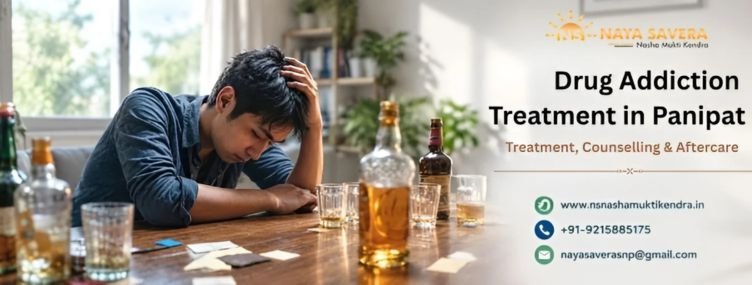
Drug addiction can affect much more than a person’s substance use. It can influence physical health, relationships, work, daily responsibilities, and family life. When drug use becomes difficult to control, professional treatment and structured support can provide a more organized approach to recovery.
For families searching for a Nasha Mukti Kendra in Panipat, understanding the treatment process, counselling options, withdrawal support, and aftercare can make it easier to discuss the right form of professional help.
What Is Drug Addiction Treatment?
Drug addiction treatment is a structured process designed around an individual’s substance-use history, health condition, level of dependence, and treatment requirements.
Depending on the person’s needs, treatment may include:
● Initial assessment and treatment planning
● Withdrawal and detoxification support when required
● Individual counselling
● Behavioural and psychological support
● Family counselling
● Structured daily routines
● Relapse-prevention planning
● Follow-up and aftercare support
What Treatment Does a Nasha Mukti Kendra in Rohtak Offer? Treatment depends on the substance used, duration of use, withdrawal symptoms, physical health, and previous treatment history. Each person may require an individualised treatment plan based on their recovery needs.
Why Professional Treatment Can Be Important
Trying to manage serious substance dependence without appropriate support can be challenging, particularly when withdrawal symptoms or strong cravings are involved.
Professional addiction treatment can provide a structured environment where an individual can receive assessment, counselling, monitoring, and recovery guidance according to their needs.
Treatment is not simply about stopping substance use. It can also involve understanding triggers, developing healthier coping strategies, improving daily routines, and preparing for life after structured rehabilitation.
Drug Addiction Treatment in Panipat: What Does the Process Involve?
The treatment journey can vary from person to person, but a rehabilitation programme commonly involves several stages.
1. Assessment and Treatment Planning
The process generally begins with an assessment of the individual's substance use, health, personal circumstances, and previous treatment experience.
This information helps professionals understand the level of support required and develop an appropriate treatment plan.
2. Detoxification and Withdrawal Support
When someone has developed physical dependence, stopping certain substances can result in withdrawal symptoms. Depending on the substance and the individual's condition, medical or professional supervision may be required.
Detoxification should therefore be approached carefully rather than treated as a standalone solution. Detox support may be part of a broader rehabilitation programme.
3. Counselling and Therapy
Counselling can help individuals explore the factors connected with substance use, recognize triggers, and develop healthier ways of responding to difficult situations.
Individual counselling provides one-to-one support, while family counselling can help relatives understand addiction and communicate more effectively during recovery.
4. Structured Daily Routine
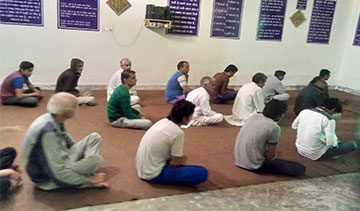
A structured rehabilitation environment can help individuals establish healthier routines. Depending on the programme, daily activities may include counselling sessions, recovery-focused activities, physical exercise, meditation, or other supportive routines.
The objective is to gradually build habits that can support life beyond treatment.
Role of Counselling in Addiction Recovery
Counselling is an important part of addiction rehabilitation because substance dependence can involve behavioural, emotional, social, and psychological factors.
Counselling may help a person:
● Understand personal addiction triggers
● Recognize patterns connected with substance use
● Develop healthier coping strategies
● Work through emotional challenges
● Improve communication with family members
● Prepare for situations that may increase the risk of relapse
Family counselling can also be useful because addiction affects relatives and caregivers as well as the individual experiencing substance dependence.
Family Support During Treatment
Family members often play an important role in the recovery process. However, supporting someone with addiction can be difficult without understanding the condition.
Families can contribute by:
● Encouraging professional treatment
● Maintaining respectful communication
● Avoiding unnecessary blame or confrontation
● Participating in counselling when recommended
● Supporting healthy routines
● Understanding potential relapse triggers
● Staying involved in appropriate aftercare
A supportive home environment can make it easier for an individual to continue following a recovery plan after completing residential treatment.
Aftercare and Relapse Prevention
Completing a rehabilitation programme is not necessarily the end of recovery support. Aftercare can help individuals continue applying what they learned during treatment.
Aftercare may include:
● Follow-up counselling
● Family support
● Recovery groups
● Relapse-prevention planning
● Healthy daily routines
● Continued professional guidance when required
Relapse prevention is particularly important because individuals may encounter old environments, social situations, emotional stress, or other triggers after leaving treatment.
How Long Does Drug Addiction Treatment Take?
What Is the Treatment and Recovery Process in Sonipat? The treatment duration for drug addiction is not the same for everyone. It depends on the substance involved, the severity of dependence, withdrawal requirements, physical and psychological health, and the individual's treatment plan.
Families should therefore focus on the suitability of the treatment programme rather than choosing a centre solely because it promises a particular recovery period.
What Should Families Consider When Choosing a Nasha Mukti Kendra in Panipat?
Before selecting a rehabilitation centre, families should ask relevant questions about:
● Assessment and treatment planning
● Medical and withdrawal support
● Counselling services
● Family counselling
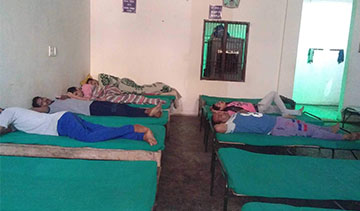
● Accommodation and daily routine
● Aftercare planning
● Treatment duration
● Charges and facilities included
● Professional staff and available support
It is also useful to discuss the individual's specific condition with the centre before admission so that the family understands the available treatment options.
Addiction Treatment Services
Professional rehabilitation centres may provide different forms of addiction support depending on individual requirements. Services can include drug addiction treatment, alcohol rehabilitation, detoxification support, substance-abuse counselling, family counselling, cocaine addiction treatment, and gutkha or tobacco de-addiction support.
For people searching for a De Addiction Centre in Panipat, discussing the substance involved and the individual's treatment history with a qualified professional can help determine the appropriate next step.
Nasha Mukti Kendra in Panipat
Families looking for addiction treatment in and around Panipat can enquire about available rehabilitation and counselling services before making an admission decision.
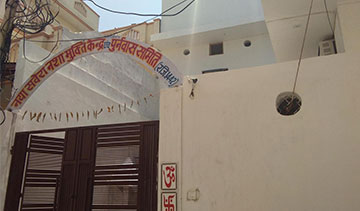
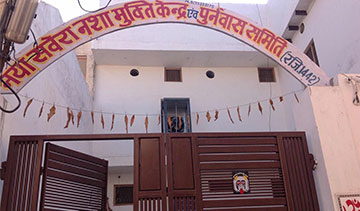
NS Nasha Mukti Kendra lists drug addiction treatment, detoxification support, counselling, family support, and relapse-prevention guidance among its services. The centre's listed address is Behind Anand Cinema, Kabirpur Road, Sonipat, Haryana, and it serves people from Panipat and other nearby cities.
For treatment-related enquiries, families should discuss the individual's condition, treatment requirements, expected duration, facilities, and costs directly with the centre before admission.
Conclusion
Drug addiction treatment involves more than simply stopping substance use. Assessment, appropriate withdrawal support, counselling, structured routines, family involvement, and aftercare can all form part of a comprehensive recovery approach.
For families searching for a Rehab Centre in Panipat, the most important step is to understand the available treatment process and discuss the individual's specific needs with a qualified professional before choosing a rehabilitation programme.