

Best Alcohol Rehabilitation Centre | Naya Savera
Alcohol addiction can take a toll on a person’s body, mind, relationships, job, finances and everyday life. At the start alcohol might seem to help a person feel more relaxed, calm or confident in social settings.. Drinking too much too often can lead to struggles that become hard to handle.
As time goes on some people start to feel a need to drink. They might find they need to drink more to get the feeling a sign called tolerance. Over time they may become dependent on alcohol. They keep drinking even when it brings trouble at home at work or, with their health.
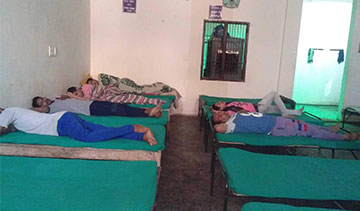
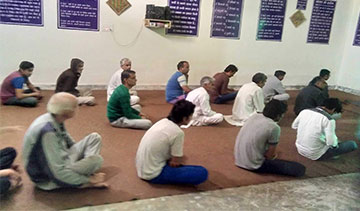
An Alcohol Rehabilitation Centre provides a structured environment where people can begin their recovery journey. Individuals may receive counselling, therapy, emotional support and guidance based on their needs. For people searching online for drinking rehab centers near me, finding a professional rehabilitation facility can be an important first step toward recovery.
With appropriate support and consistent effort, people dealing with alcohol dependence can work toward better health and a more balanced life.
What Is Alcohol Addiction?
Alcohol addiction, also called alcohol use disorder is when a person cannot stop or control their drinking even though it causes problems. Some people begin drinking and then maybe just to relax or enjoy time with friends.. Over time drinking can become a habit that is hard to quit. For some alcohol helps deal with stress or sadness. Others slowly build up a need for it by drinking in big amounts.
Drinking much affects the brain. It changes how the brain handles mood, choices, rewards and self-control. When someone drinks heavily for periods these brain changes can make it very tough to stop even if they really want to Our Serving Cities & Locations.
People who are searching for an alcoholic treatment center near me should consider getting an evaluation. This helps them understand how serious their drinking has become and find the treatment options, for recovery.
Why Do People Become Addicted to Alcohol?
There is no single reason why someone develops an addiction. Different people may have different triggers, experiences and circumstances.
- Stress and Emotional Problems
- Peer Pressure and Social Environment
- Curiosity and Experimentation
- Family and Environmental Factors
- Coping With Difficult Experiences
- Brain and Biological Factors
Understanding these factors can help professionals develop an appropriate de addiction treatment and recovery plan.
How Does Alcohol Affect the Brain and Body?
Alcohol affects the nervous system and can alter brain activity. At first, alcohol may create a feeling of relaxation or reduced inhibition. However, it can also affect coordination, judgment, reaction time and decision-making.
With repeated alcohol use, the body and brain can adapt to alcohol. A person may develop tolerance and need to consume more alcohol to experience the same effects. more info
Short-Term Effects of Alcohol
Alcohol can affect people differently depending on the amount consumed, drinking pattern, other substances used and individual health.
Long-Term Effects of Alcohol Addiction
Continued heavy or problematic alcohol use can affect different areas of a person's health and daily life.
Psychological Effects
Effects on the Body
Recognizing these effects early can encourage a person or their family to seek appropriate de addiction treatment centres and professional support.
Alcohol Rehabilitation Centre and Treatment
An Alcohol Rehabilitation Centre may provide a structured recovery environment for people who want professional help with problematic alcohol use. The type of treatment offered can vary depending on the centre, the person's condition and their individual needs.
A rehabilitation programme may include:
- Assessment and Recovery Planning
- Medical Support and Detoxification
- Individual Counselling
- Behavioural Therapy
- Group Counselling
- Family Support
- Healthy Routine and Lifestyle Support
- Relapse-Prevention Planning
- Aftercare
The goal of rehabilitation is not simply to stop drinking but to help individuals understand the factors behind their alcohol use, develop healthier coping strategies and build skills that can support long-term recovery. Contact Us