

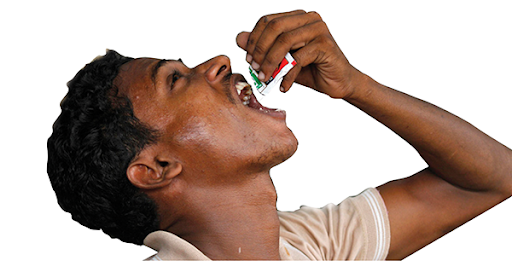
Gutkha De-Addiction Centres
Gutkha consumption has become a common habit among many people, but regular use can gradually develop into nicotine dependence. What may begin as occasional chewing can become a daily habit that is difficult to control. Gutkha contains tobacco and nicotine, and long-term use can seriously affect oral health and overall well-being. Men and women of different age groups may struggle with this dependence and require professional support to quit.
Harmful Effects of Gutkha Consumption
Regular gutkha use may affect the mouth, digestive system, cardiovascular health, and overall lifestyle. Some commonly associated health problems include:
- Nicotine dependence and strong cravings
- Mouth ulcers and irritation
- Tooth decay and gum problems
- Poor oral hygiene and bad breath
- Difficulty sleeping and mood changes
- Digestive discomfort
- Reduced appetite
- White or red patches inside the mouth
- Increased risk of oral cancer
- Serious oral health complications with prolonged use
Gutkha De-Addiction Treatment
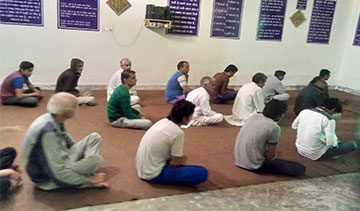
Quitting gutkha can be difficult because nicotine may create strong cravings and withdrawal symptoms. A professional de-addiction programme can provide structured guidance to help a person understand their dependence and develop practical ways to manage cravings. Treatment may include an initial assessment, counselling, behavioural support, healthy lifestyle guidance, and relapse-prevention strategies.
A Gutkha De-Addiction Centre can also help individuals identify the situations that trigger chewing and replace the habit with healthier activities. Family support and continued guidance can further encourage the person to remain committed to quitting and maintaining a healthier routine.
Nasha Mukti Kendra for Gutkha De-Addiction
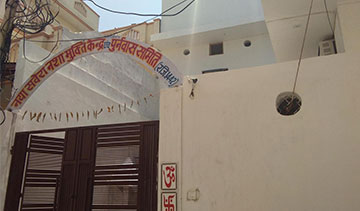
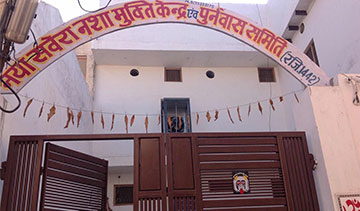
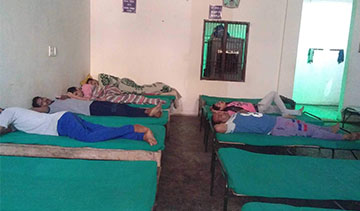
Naya Savera Nasha Mukti Kendra provides professional support for individuals looking to overcome tobacco and gutkha dependence. Its recovery approach can include counselling, behavioural support, lifestyle improvement, family involvement, and guidance for maintaining long-term abstinence.
The aim is not only to help a person stop gutkha use but also to develop healthier habits, improve daily functioning, and build confidence for life after rehabilitation.