


Cocaine Addiction: Effects, Symptoms, Treatment and Recovery
Cocaine addiction is a substance-use problem that can deeply impact a person’s physical health, mental well-being, relationships, job performance and daily life. Cocaine is a stimulant that can give a short-term boost in energy, alertness, confidence and feelings of pleasure.. Using it again and again can lead to intense cravings, a higher tolerance, dependence and growing difficulty in controlling or stopping use.
With the professional help counselling and a well-structured recovery programme people facing cocaine addiction can take steps toward lasting recovery. Support and consistent effort can make a difference, in rebuilding a healthier more stable life. Contact Us
What Is Cocaine Addiction?
Cocaine is a drug that comes from the coca plant. It works by boosting the activity of brain chemicals, like dopamine. This can make a person feel very happy and full of energy for a time.
Since the high doesn’t long someone might use cocaine again and again to feel that same rush. Over time this repeated use can cause cravings and make it hard to stop using.
Cocaine can be used in ways—snorted, smoked or injected. No matter how it is taken using it often can harm the body. Lead to addiction. The risks are serious. Can affect both physical and mental health.
How Does Cocaine Affect the Brain and Body?
Cocaine interferes with the normal handling of dopamine and other neurotransmitters in the brain. This can create an intense but temporary feeling of pleasure and stimulation.
With repeated use, the brain can adapt to the presence of the drug. A person may develop tolerance, meaning they may need more of the substance to experience similar effects. This can increase the risk of harmful use and other complications. Our Serving Cities & Locations
Short-Term Effects of Cocaine
Cocaine use may cause:
· Increased energy and alertness
· Increased heart rate and blood pressure
· Reduced appetite
· Reduced need for sleep or insomnia
· Restlessness and agitation
· Increased talkativeness or confidence
· Anxiety and irritability
· Impaired judgment
· Dilated pupils
· Tremors or muscle stiffness
· Paranoia
· Chest pain
· Abdominal pain
· Nausea or diarrhea
· Nosebleeds, particularly when cocaine is snorted
· Breathing difficulties
The effects can vary depending on the amount used, method of use, other substances taken, and the person's overall health.
Long-Term Effects of Cocaine Addiction
Continued cocaine use can affect both physical and psychological health.
Psychological Effects
Long-term or heavy cocaine use may be associated with:
- Anxiety and severe irritability
- Paranoia
- Depression
- Mood changes
- Poor judgment
- Aggressive behaviour
- Difficulty concentrating
- Hallucinations or psychosis in some cases
Physical Effects
Cocaine addiction may also contribute to:
- Weight loss and appetite problems
- Sleep disturbances
- Headaches
- Heart rhythm problems
- High blood pressure
- Chest pain
- Seizures
- Heart attack or stroke
Serious complications can occur, particularly with high doses or when cocaine is combined with other substances.
Signs and Symptoms of Cocaine Addiction
A person may have a cocaine addiction when drug use becomes difficult to control and begins interfering with everyday life.
Common warning signs can include:
- Strong or frequent cravings for cocaine
- Using larger amounts or using it more often
- Trying to stop but being unable to do so
- Spending significant time obtaining or using the drug
- Continuing to use cocaine despite health or personal problems
- Neglecting work, studies, family, or other responsibilities
- Experiencing withdrawal symptoms after stopping
- Financial or relationship problems related to drug use
- Repeatedly returning to cocaine use after attempts to quit
Not everyone experiences the same symptoms. A qualified healthcare professional can assess the severity of the problem and recommend suitable treatment.
Role of a Nasha Mukti Kendra in Cocaine Recovery
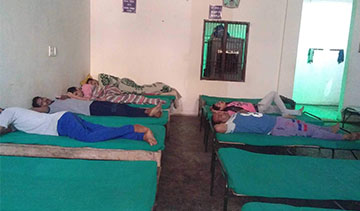
A Nasha Mukti Kendra may provide a structured residential or outpatient recovery environment, depending on the centre and the person's needs. Available services can vary from one centre to another.
A recovery programme may include:
- Counselling and behavioural support
- Individual and group sessions
- Family support
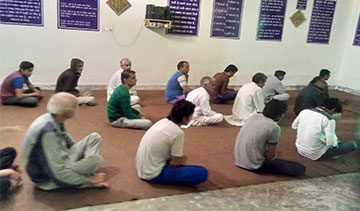
- Structured daily activities
- Healthy diet and routine
- Physical activity and wellness activities
- Relapse-prevention planning
- Follow-up support after treatment
People considering a particular Nasha Mukti Kendra should verify its actual location, qualified staff, treatment services, accommodation, medical support, and admission process before choosing a programme.
Cocaine Addiction Recovery
Recovery from cocaine addiction is a gradual process. Simply stopping cocaine use is an important step, but maintaining recovery may require ongoing support.
A person can work toward recovery by:
- Following their treatment plan
- Avoiding situations that trigger drug use
- Building a supportive social network
- Maintaining a healthy sleep and daily routine
- Attending counselling or support programmes
- Learning healthy ways to manage stress
- Seeking professional help if cravings or relapse occur