


Detoxification Treatment | Naya Savera Nasha Mukti Kendra
Detoxification treatment is often the step in recovery for someone who has become dependent on alcohol or drugs. When a person stops using substances the body can react with withdrawal symptoms. These symptoms vary from discomfort to serious medical issues depending on the type of substance how long the person used it and their overall health.
At Naya Savera Nasha Mukti Kendra detoxification is offered as part of a rehabilitation program. The center emphasizes an assessment and personalized support based on what each individual needs. They provide detoxification along with counselling and other recovery services.
Important: Detox should not be seen as the treatment, for addiction. It helps the body manage withdrawal in a way.. To truly overcome addiction ongoing treatment is needed. This includes dealing with cravings, changing behaviours and reducing the risk of relapse.
What Is Detoxification Treatment?
Detoxification, also known as detox is the process of managing the effects that happen when a person stops or cuts back on alcohol or drug use after becoming dependent.
The main goal of detoxification is to guide a person through withdrawal while watching their condition closely and offering the kind of support. The level of care needed can vary a lot from one person to another.
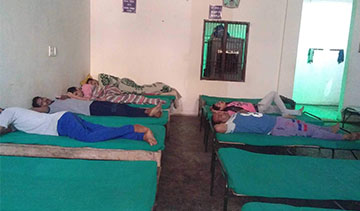
Some people can manage detox in an inpatient setting. Others may need care in a hospital. The best setting depends on the substance used, past withdrawal experiences, general health and how severe the dependence.
Types of Detox
There is no one-size-fits-all detox method for every substance or every person. Treatment must be based on an individual assessment.
Alcohol Detox
When someone stops drinking alcohol after long-term use withdrawal symptoms can appear. These may include anxiety, sweating, shaking, nausea, trouble sleeping and feeling easily irritated. In some cases withdrawal can become dangerous. People who have a dependence on alcohol should get a medical check-up and go through detox under medical supervision.
Opioid Detox
Stopping opioids like heroin or certain prescription pain medicines can lead to strong physical and emotional symptoms. Medical supervision during withdrawal can include medicines that help reduce discomfort.. It’s important to understand that detox is just the first step. Continuing treatment after detox helps lower the risk of overdose if a person returns to using opioids.
Stimulant Detox
Withdrawal from stimulants such as cocaine can bring on tiredness changes in sleep patterns, anxiety, irritability, sadness and strong urges to use the drug again. During recovery supportive care and ongoing therapy can make a difference.
Drug-Specific Detox Support
Other drugs can also cause withdrawal symptoms when use stops. How to treat withdrawal depends on the drug, how much was used how long it was used, past experiences, with withdrawal and the person’s overall health. Every situation is different. Needs its own plan.
The Detox Process: Step-by-Step
Detoxification is not about stopping drugs or alcohol. A managed process can involve several stages.
Comprehensive Assessment
The process starts with a check of the persons body and mind. This can include a doctor visit, useful lab tests and a look, at the persons substance use to figure out what treatment is needed.
Supervised Withdrawal & Stabilization
After the evaluation the person moves into the withdrawal phase. In this phase proper medical monitoring, emotional help, fluids, food and other supportive care can be offered to keep withdrawal symptoms safe.
Continuing Care & Recovery Planning
After the withdrawal phase the focus moves to recovery. The person might go into counselling, behavioral therapy, family help plans to stop relapse and other rehab services that fit their needs.
Understanding Withdrawal Symptoms
Withdrawal symptoms vary according to the substance and the person's level of dependence.
Common symptoms may include:
- Anxiety or irritability
- Restlessness
- Sweating
- Shaking or tremors
- Headache
- Nausea or vomiting
- Changes in sleep
- Fatigue
- Difficulty concentrating
- Mood changes
- Strong cravings
Some withdrawal syndromes can become medically serious. Severe confusion, seizures, hallucinations, difficulty breathing, loss of consciousness or other serious symptoms require urgent medical attention.
Detox Timeline and What to Expect
There is no set schedule for detox that works for everyone. The process of stopping can start and move in ways based on the substance how much was used how long it was used, the persons health and any past experiences, with withdrawal.
While going through detox a person might first feel urges, worry, trouble sleeping, sweating, feeling sick shaking or other symptoms of withdrawal. Some of these feelings might get better as the body gets used to the change. Some can stay longer and need more help.
Of saying a certain number of days it's better to say: