

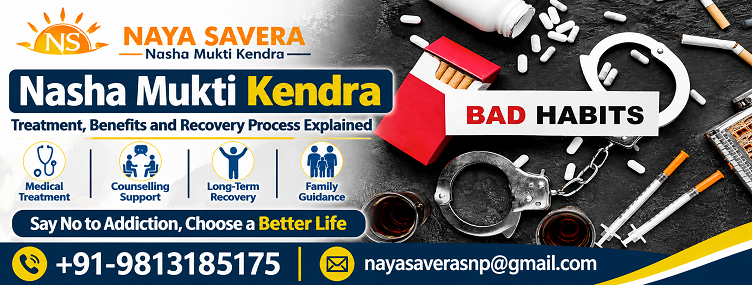
Addiction can gradually affect almost every aspect of a person's life, including physical health, emotional stability, family relationships, professional responsibilities, and social connections. What may begin as occasional alcohol or drug consumption can eventually become a dependency that is difficult to manage without professional assistance. At this stage, seeking help from a Nasha Mukti Kendra can be an important step towards rebuilding a healthier and more stable life.
A professional rehabilitation centre provides more than a place to stay away from addictive substances. It offers structured treatment, medical supervision, psychological counselling, behavioural support, and guidance to help individuals understand their addiction and work towards lasting recovery.
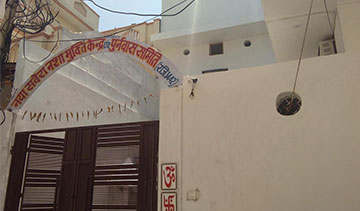
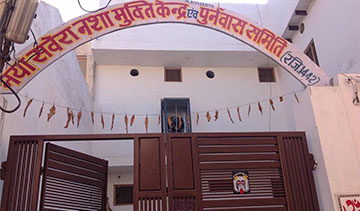
NS Nasha Mukti Kendra (Naya Savera Nasha Mukti Kendra) provides rehabilitation and de-addiction support through medical care, counselling, detoxification, and family guidance. Established in 2009, the centre focuses on scientific treatment and compassionate support for individuals dealing with substance dependency.
What Is a Nasha Mukti Kendra?
A Nasha Mukti Kendra is a specialised rehabilitation facility that helps people overcome alcohol, drug, tobacco, and other substance dependencies. It provides a structured environment where individuals can receive professional assistance according to their health conditions and recovery requirements.
The treatment approach generally combines medical evaluation, withdrawal management, counselling, behavioural therapy, and recovery planning.
The main objectives of a rehabilitation centre include:
- Helping individuals manage substance dependency.
- Providing medical support during withdrawal.
- Identifying emotional and psychological triggers.
- Developing healthier daily habits.
- Improving family relationships and communication.
- Supporting long-term recovery and relapse prevention.
Addiction treatment is not identical for everyone. The treatment plan should be developed according to the person's substance use history, physical health, psychological needs, and overall condition.
When Should Someone Consider Joining a Nasha Mukti Kendra?
Recognising addiction at an early stage can help individuals and their families seek appropriate assistance before the problem becomes more complicated.
Some common signs that professional treatment may be needed include:
1. Loss of Control: The person repeatedly consumes alcohol or drugs despite trying to stop or reduce their use.
2. Increasing Dependency: More of the substance may be required to experience the same effects.
3. Withdrawal Symptoms: The person experiences physical or psychological discomfort when they stop or reduce substance consumption.
4. Changes in Behaviour: Irritability, mood changes, secrecy, isolation, or unusual behaviour may become noticeable.
5. Family and Relationship Problems: Addiction starts affecting communication, responsibilities, trust, and relationships.
6. Declining Work or Academic Performance: Difficulty concentrating, missing work, and reduced productivity become frequent.
When these signs appear, consulting a qualified healthcare professional can help determine the appropriate treatment and level of care.
Different Types of Addiction Treated at a Nasha Mukti Kendra
Addiction can involve different substances, and each may require a specific treatment approach. A professional assessment helps determine the most appropriate rehabilitation plan.
1. Alcohol Addiction Treatment
Alcohol dependency can affect the liver, brain, heart, mental health, and personal relationships. Treatment may involve medically supervised withdrawal management, counselling, behavioural therapy, and relapse-prevention planning.
People with long-term alcohol dependence should not attempt sudden withdrawal without medical guidance, as withdrawal can sometimes cause serious complications.
2. Drug Addiction Treatment
Drug dependency can affect physical health, emotional well-being, decision-making, and everyday responsibilities. Rehabilitation may include medical assessment, withdrawal management, individual counselling, and structured recovery activities.
3. Cocaine Addiction Treatment
Cocaine is a stimulant that can affect brain functioning, sleep, mood, and cardiovascular health. Professional treatment focuses on managing cravings, understanding behavioural patterns, and developing healthier coping strategies.
4. Heroin and Opioid Addiction Treatment
Opioid dependence can create significant physical and psychological challenges. Depending on the individual's condition, treatment may involve medically supervised withdrawal management, evidence-based medication where appropriate, and ongoing psychological support.
5. Tobacco and Gutkha Addiction Treatment
Regular tobacco and gutkha consumption can lead to nicotine dependence and increase the risk of serious oral health problems. De-addiction support can help individuals identify triggers, manage cravings, and work towards quitting.
Treatment Process at a Nasha Mukti Kendra
Recovery involves multiple stages rather than a single treatment session. A structured rehabilitation programme helps individuals address the different factors associated with addiction.
Here is an overview of the common treatment stages.
Stage 1: Initial Assessment and Medical Evaluation
The first step involves understanding the patient's condition. Doctors and healthcare professionals may evaluate substance consumption patterns, medical history, withdrawal risks, psychological health, and previous treatment experiences.
This assessment helps determine whether inpatient or outpatient care is appropriate.
Stage 2: Medical Detoxification
Detoxification is the process of managing the physical effects of stopping or reducing addictive substances. During this stage, withdrawal symptoms may occur, depending on the substance and duration of dependency.
Medical supervision is particularly important for alcohol, sedative, and certain drug withdrawals because complications can sometimes become serious.
Detoxification helps manage the initial physical challenges, but it does not independently address the behavioural and psychological aspects of addiction.
Stage 3: Individual Counselling
Individual counselling provides an opportunity for patients to discuss their experiences, emotional challenges, personal triggers, and reasons behind substance use.
A counsellor may help individuals:
- Understand addictive behaviour.
- Recognise situations that trigger cravings.
- Develop healthier coping mechanisms.
- Improve emotional regulation.
- Build confidence and motivation.
Stage 4: Behavioural Therapy and Group Support
Behavioural therapy helps individuals identify unhealthy thought patterns and develop practical ways to manage difficult situations.
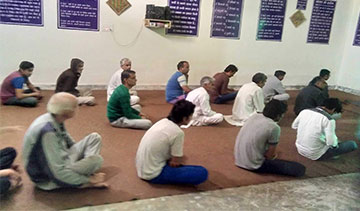
Group counselling can also provide a supportive environment where participants share experiences, discuss challenges, and learn from one another.
Stage 5: Family Counselling
Addiction can affect the entire family. Family counselling helps rebuild communication, address misunderstandings, and create a more supportive environment for recovery.
Family members may also learn how to encourage positive behaviour without enabling substance dependency.
Stage 6: Relapse Prevention and Aftercare
Recovery continues even after a person completes an inpatient rehabilitation programme. Relapse-prevention planning helps individuals identify high-risk situations and prepare strategies for handling cravings and emotional difficulties.
Follow-up counselling, medical appointments, family support, and healthy daily routines can play an important role in maintaining progress.
Major Benefits of Joining a Professional Nasha Mukti Kendra
Choosing a structured rehabilitation programme can provide several advantages compared with trying to manage severe addiction without professional assistance.
Medical Supervision and Professional Guidance
A rehabilitation centre can provide access to medical evaluation, withdrawal management, and healthcare support according to individual requirements.
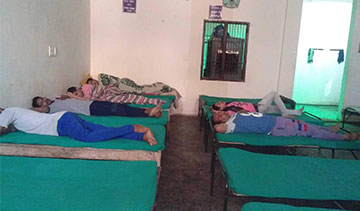
A Structured Daily Routine
A planned routine involving counselling, recovery activities, rest, and healthy habits can help individuals gradually develop more organised lifestyles.
Psychological and Emotional Support
Addiction may be connected with stress, anxiety, depression, trauma, and other emotional difficulties. Professional counselling helps address these concerns alongside substance dependency.
Distance from Addiction-Related Triggers
A suitable inpatient rehabilitation environment can temporarily separate individuals from situations, routines, and social influences associated with substance use.
Improved Family Relationships
Family counselling encourages better communication and helps relatives understand the challenges involved in addiction recovery.
Long-Term Recovery Planning
Rehabilitation helps individuals prepare for life after treatment through coping strategies, relapse-prevention guidance, and continued support.
Why Choose NS Nasha Mukti Kendra for Addiction Treatment?
Selecting a rehabilitation centre is an important decision for both patients and their families. The quality of medical care, treatment approach, staff support, and recovery environment should all be considered.
This Rehab Centre, also known as Naya Savera Nasha Mukti Kendra, was established in 2009 in Sonipat, Haryana. The organisation focuses on providing voluntary rehabilitation services through scientific treatment and psychological care.
Some of the centre's key features include:
- Established rehabilitation organisation with experience since 2009.
- Medical and nursing support available around the clock.
- Medical detoxification and addiction treatment support.
- Individual and psychological counselling.
- Inpatient and outpatient care options.
- Family counselling and recovery guidance.
- Support for alcohol, drug, cocaine, and tobacco-related dependencies.
- A focus on compassionate and structured rehabilitation.
The centre is located behind Anand Cinema, Kabirpur Road, Sonipat, Haryana.
Families can contact NS Nasha Mukti Kendra to discuss treatment requirements, available facilities, admission procedures, and suitable rehabilitation options.
How Long Does Addiction Treatment Take?
There is no fixed treatment duration that works for every individual. The recovery period depends on several factors, including:
- Type of substance involved.
- Duration and severity of addiction.
- Physical and psychological health.
- Withdrawal symptoms.
- Response to treatment.
- Additional medical or mental health conditions.
Some rehabilitation programmes may last 30 to 90 days, while others require longer treatment and follow-up support.
It is important to understand that completing detoxification or an inpatient programme does not automatically mean that recovery is complete. Continued counselling, healthy routines, and relapse-prevention strategies remain important.
How Can Families Support Someone During Addiction Recovery?
Family involvement can make a meaningful difference throughout the rehabilitation process. People dealing with addiction may experience guilt, emotional difficulties, fear, and uncertainty about their future.
Families can support recovery in several ways:
- Encourage Professional Help: Discuss treatment options without blaming or humiliating the individual.
- Maintain Communication: Listen patiently and encourage honest conversations.
- Participate in Counselling: Attend family sessions when recommended by healthcare professionals.
- Avoid Substance-Related Environments: Help reduce exposure to situations that may trigger cravings.
- Support Healthy Habits: Encourage regular sleep, physical activity, nutritious meals, and positive social connections.
- Continue Follow-Up Care: Support medical appointments and recovery plans after rehabilitation.
Patience is important because recovery is a gradual process that may involve challenges and setbacks.
Take the First Step Towards a Healthier Life with NS Nasha Mukti Kendra
Overcoming addiction requires appropriate treatment, patience, professional guidance, and a supportive environment. A well-planned rehabilitation programme can help individuals address substance dependency, understand their triggers, rebuild relationships, and develop healthier ways of living.
NS Nasha Mukti Kendra provides addiction rehabilitation support through medical care, detoxification, psychological counselling, and family guidance. If someone in your family is struggling with alcohol or drug dependency, seeking professional advice can be an important first step towards recovery.
Contact Naya Savera Rehab Centre to discuss available treatment options and take an informed step towards a healthier future.