


Understanding Nasha Mukti Kendra, Addiction and Treatment
Addiction is not simply a bad habit or a lack of willpower. Drug and alcohol dependence can affect the brain, emotions, behaviour, physical health, relationships and everyday decision-making. A person may know that substance use is harming their life but still find it extremely difficult to stop.
This is where a Nasha Mukti Kendra or professional addiction treatment centre can provide structured support. The purpose of rehabilitation is not only to help a person stop using drugs or alcohol but also to understand the reasons behind substance use, manage withdrawal and cravings, develop healthier habits and prepare for life after treatment.
What Is Addiction?
Addiction is a condition in which a person continues using alcohol or drugs despite experiencing harmful consequences.
At first, substance use may appear to be a personal choice. Someone may use alcohol or drugs because of curiosity, social pressure, stress or a desire to feel relaxed. With repeated use, however, the brain can adapt to the substance.
Over time, the person may experience:
- Strong cravings
- Increased tolerance
- Difficulty controlling substance use
- Withdrawal symptoms
- Changes in mood and behaviour
- Problems at work or school
- Family and relationship difficulties
- Financial problems
- Loss of interest in normal activities
- Repeated unsuccessful attempts to quit
This is why addiction should be approached as a health and behavioural problem rather than simply blaming the individual.
Why Do People Become Addicted to Drugs or Alcohol?
There is no single reason why someone develops an addiction. Different people may have different triggers and circumstances.
1. Stress and Emotional Problems
Some people begin using alcohol or drugs as a way to escape stress, sadness, anxiety, loneliness, anger or emotional pain.
The substance may temporarily make them feel relaxed or disconnected from their problems. Because the relief feels immediate, they may start depending on the substance whenever they experience difficult emotions.
The problem is that the temporary relief does not solve the underlying issue. Repeated use can eventually make emotional and physical problems worse.
2. Peer Pressure and Social Environment
Friends, social groups or the surrounding environment can influence substance use.
A person may initially try a substance because others are using it. What begins as experimentation can become repeated use and, for some people, dependence.
3. Curiosity and Experimentation
Some individuals start because they want to know what drugs or alcohol feel like.
They may believe they can stop whenever they want. However, repeated exposure can gradually change patterns of use and increase the risk of dependence.
4. Family and Environmental Factors
A person's environment can influence their relationship with alcohol or drugs. Easy access to substances, exposure to substance use, family conflict, social isolation or an unhealthy peer environment may contribute to problematic use.
These factors do not automatically cause addiction, but they can increase vulnerability.
5. Coping With Difficult Experiences
Some people use substances to cope with difficult experiences, grief, trauma, relationship problems, failure or other stressful situations.
Instead of developing healthy coping mechanisms, they may begin relying on alcohol or drugs whenever they face emotional discomfort.
6. Brain and Biological Factors
Addictive substances can affect the brain's reward and motivation systems. Repeated substance use can strengthen the connection between certain situations, emotions or environments and the desire to use the substance.
This can make cravings difficult to control and can contribute to continued use even when the person understands its negative consequences.
What Happens in an Addicted Person's Mind?
One of the most important things to understand is that an addicted person may want to stop but still struggle to stop.
For example, a person may think:
“I will stop from tomorrow.”
They may genuinely mean it.
But when cravings, withdrawal, stress or familiar triggers appear, they may return to substance use.
This can create a cycle:
Stress or trigger → craving → substance use → temporary relief → regret/problems → another stressful situation → craving again
Over time, the brain can become strongly associated with the substance and the situations surrounding its use.
This does not mean the person has no responsibility for their actions. It means that effective treatment needs to address the physical, psychological, behavioural and social aspects of addiction.
What Is a Nasha Mukti Kendra?
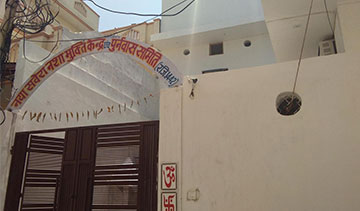
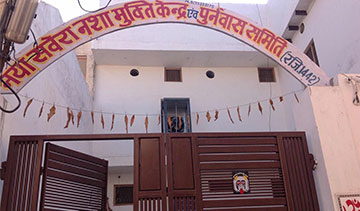
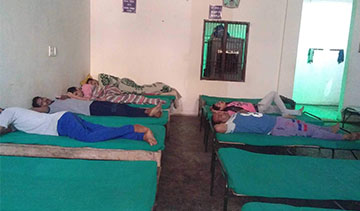
A Nasha Mukti Kendra is a rehabilitation and addiction-treatment facility designed to support people struggling with substance dependence.
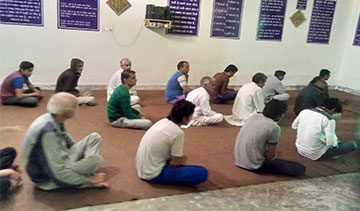
Depending on the centre and the individual's needs, treatment may involve:
- Initial assessment
- Medical evaluation
- Withdrawal management
- Individual counselling
- Group counselling
- Behavioural therapy
- Family counselling
- Relapse-prevention planning
- Healthy daily routines
- Physical activities
- Meditation or relaxation activities
- Nutrition guidance
- Aftercare and follow-up support
Treatment should be based on the individual's condition rather than using exactly the same approach for everyone.
What Is the Treatment for Drug and Alcohol Addiction?
Treatment should be selected according to the individual's substance use, health condition, recovery needs and professional assessment.
A rehabilitation program may address:
- Alcohol addiction
- Drug addiction
- Opioid or heroin dependence
- Cannabis dependence
- Cocaine use
- Prescription-drug dependence
- Multiple-substance use
- Substance use with related psychological concerns
Can an Addicted Person Recover?
Yes, recovery is possible.
However, addiction recovery is not necessarily a straight line. Some people respond well to treatment initially, while others may require longer-term support or additional treatment.
A setback does not automatically mean that treatment has failed. It can indicate that the recovery plan needs to be reassessed and strengthened.
Long-term recovery may involve continued counselling, family support, healthy routines, support groups, medical care when appropriate and strategies for managing triggers.